
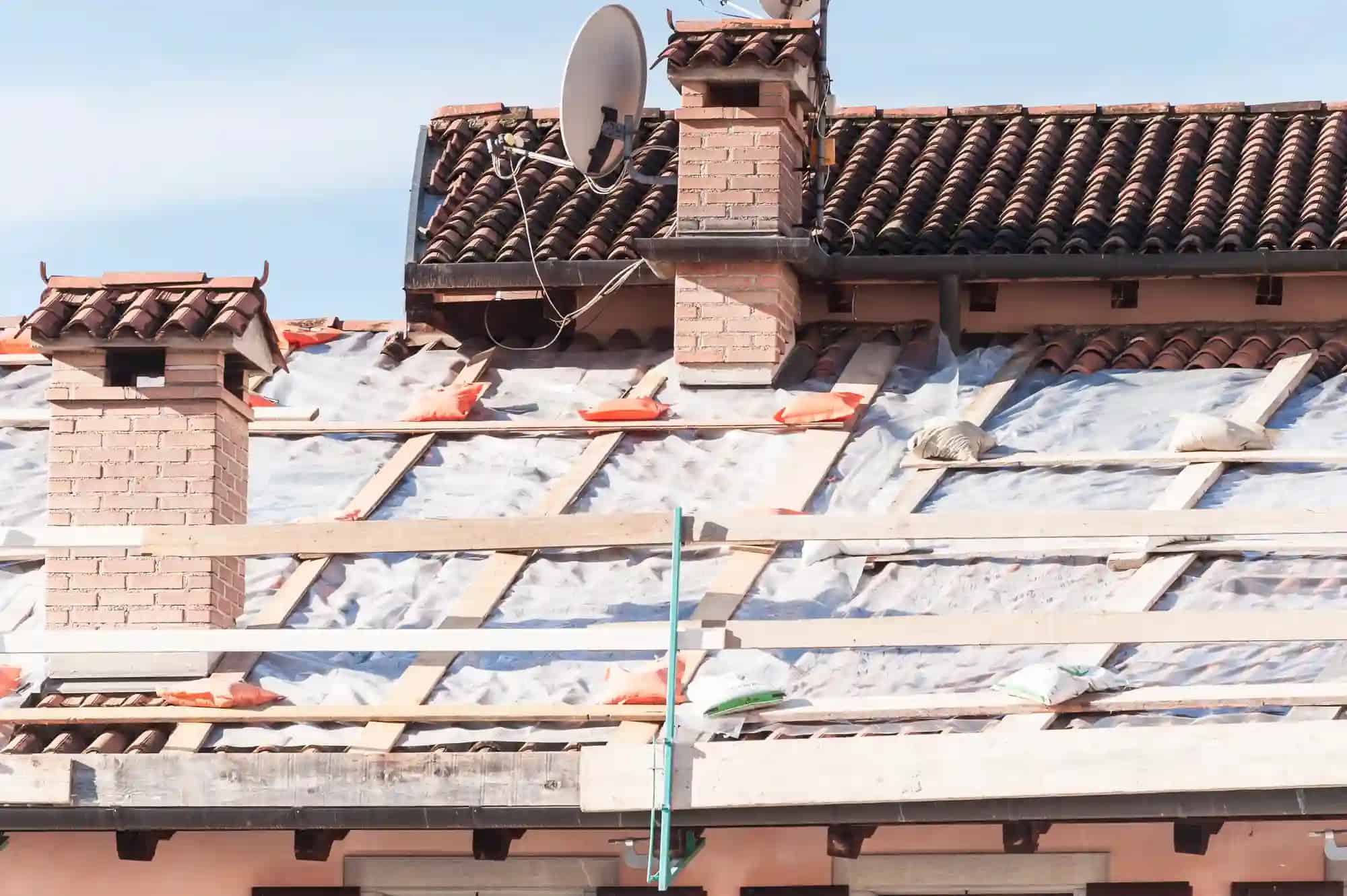
Searching “emergency roof repair near me” on Google usually means something has gone wrong fast, be it a leak during a thunderstorm, shingles torn off by high winds, or a fallen branch damaging the roof. In situations like these, knowing what to do first can help limit water intrusion and prevent the damage from getting worse.
This guide explains what actually counts as a roofing emergency, what to do in the first hour, what to avoid, how much emergency repairs may cost, and how to reduce the risk of similar problems in the future.
Key Takeaways
- A roof emergency means water is entering your home, the structure is compromised, or a safety hazard is present.
- Your first moves are protecting people, limiting indoor damage, photographing everything, and calling an emergency roofing contractor.
- DIY patching in bad weather is dangerous and can complicate an insurance claim.
- Emergency roof tarping is usually the first step, with permanent repairs scheduled once conditions allow.
- Emergency repairs typically run from a few hundred dollars for tarping to several thousand for major storm damage.
- Regular inspections and gutter care prevent most roofing emergencies before they start.
What Is Considered an Emergency Roof Repair?
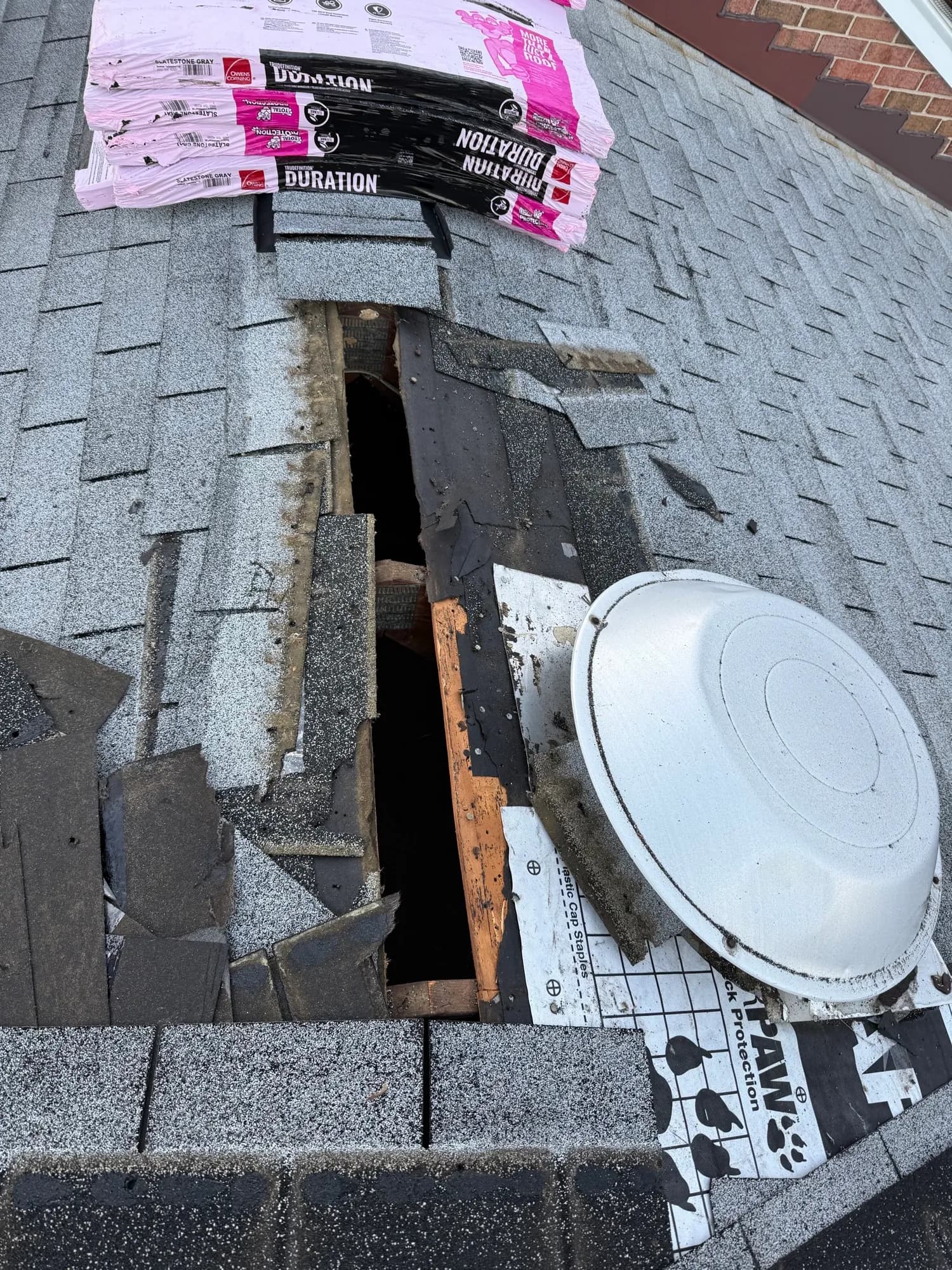
An emergency roof repair involves damage that lets weather in, threatens the structure, or puts your household at risk. In other words, if waiting a few days would make the damage dramatically worse (or more expensive), you're in urgent roof repair territory.
This includes:
#1. Active Roof Leaks and Water Entering Your Home
Dripping ceilings, bubbling paint, water stains spreading across drywall, or water running down a light fixture all point to an active leak. Water travels, too, so the wet spot on your ceiling often sits several feet from the actual opening.
Left alone, moisture soaks insulation, feeds mold within a day or two, and can reach electrical wiring. That makes emergency roof leak repair a top priority rather than something to solve next week. Our roof leak repair team tracks down the true entry point instead of just treating the stain.
#2. Storm and Hail Damage
Northern Virginia gets its share of violent summer thunderstorms, and hail can bruise or fracture shingles, knock off protective granules, and crack vents without leaving an obvious hole. Additionally, dented gutters and pocked soft metals are also good clues.
Because hidden damage is common, a professional hail damage inspection and repair is worth scheduling quickly, particularly before an insurance deadline passes.
#3. Fallen Trees and Heavy Branches
A fallen tree is one of the clearest emergencies there is, since even a mid-sized limb can puncture decking, snap rafters, and leave a hole open to the rain. If the tree touched power lines or your electrical service, you must stay clear and call 911 before anything else.
#4. Wind Damage
High winds peel back shingles, lift flashing, and strip away entire sections of roofing. Once the underlayment is exposed, the next rainfall goes straight into your attic.
Missing shingles in a single area are a common reason homeowners need same-day roof repair, because a small exposed patch can turn into a large one overnight.
#5. Structural Damage and Sagging
A visibly sagging roofline, cracked or bowed ceiling joists, or a roof deck that feels spongy underfoot often signal structural trouble caused by heavy snow, prolonged water damage, or a burst of impact from storm debris. If you notice sagging, keep everyone out of the affected rooms and call for help right away.
#6. Fire and Lightning Damage
Lightning strikes can scorch roofing materials and damage the structure in ways you can't see from the ground, while fire damage often compromises decking even after the flames are out. Both situations call for an immediate inspection.
#7. Failed Flashing and Ice Dam Leaks
Torn or separated flashing around chimneys, skylights, and vents gives water an easy path inside, and ice dams can push meltwater up under shingles during winter freezes. When either is causing leaks, you need a good roof flashing repair service as soon as possible.
What Should You Do If You Have a Roofing Emergency?
If you have a roofing emergency, you shouldn’t panic but work through the following list in order to protect both your family and your insurance claim:
- Get everyone to safety. If the ceiling is bulging, the roof is sagging, or a tree has come through, you need to move people and pets out of those rooms or out of the house. In case of any electrical danger, call 911.
- Shut off power to affected areas. Where water is near outlets or fixtures, and you can reach the breaker safely, switch it off.
- Document everything. Take photos and videos of the roof (from the ground), the ceilings, damaged belongings, and any debris because timestamped records make insurance claims smoother.
- Call an emergency roofing contractor. Look for a licensed, insured company that offers emergency roofing services and 24-hour roof repair, then describe exactly what you're seeing. Michael & Son Roofing is available around the clock at 703-596-3703.
- Expect temporary protection first. A professional will usually apply emergency roof tarping or board-up to stop water, document the damage, and then plan the permanent fix.
- Contact your insurance company. Report the loss promptly, and ask your roofer to help with documentation, since good inspection photos strengthen your case.
If you'd like to know what happens after that first call, our roof repair process page walks through it step by step.
What You Should Not Do If You Have a Roofing Emergency
Here’s what you definitely shouldn’t do if you have a roofing emergency:
- Climb onto a wet, damaged roof. Slick surfaces and weakened decking cause serious falls.
- Attempt major DIY repairs. A rushed patch can trap moisture, void warranties, and complicate your claim.
- Ignore "small" leaks. A small drip can often imply a much larger hidden problem.
- Throw away damaged materials or skip photos. Insurers want evidence.
- Don't hire the first door-knocking contractor after a storm. Storm chasers show up fast and disappear faster, so you must verify licenses and insurance before signing anything.
- Don't sign a contract or pay a large deposit under pressure. Get a written estimate first.
- Don't wait for the weather to "clear up" before calling. Roofers can often secure the damage between storms.
How Much Do Emergency Roof Repair Services Cost?
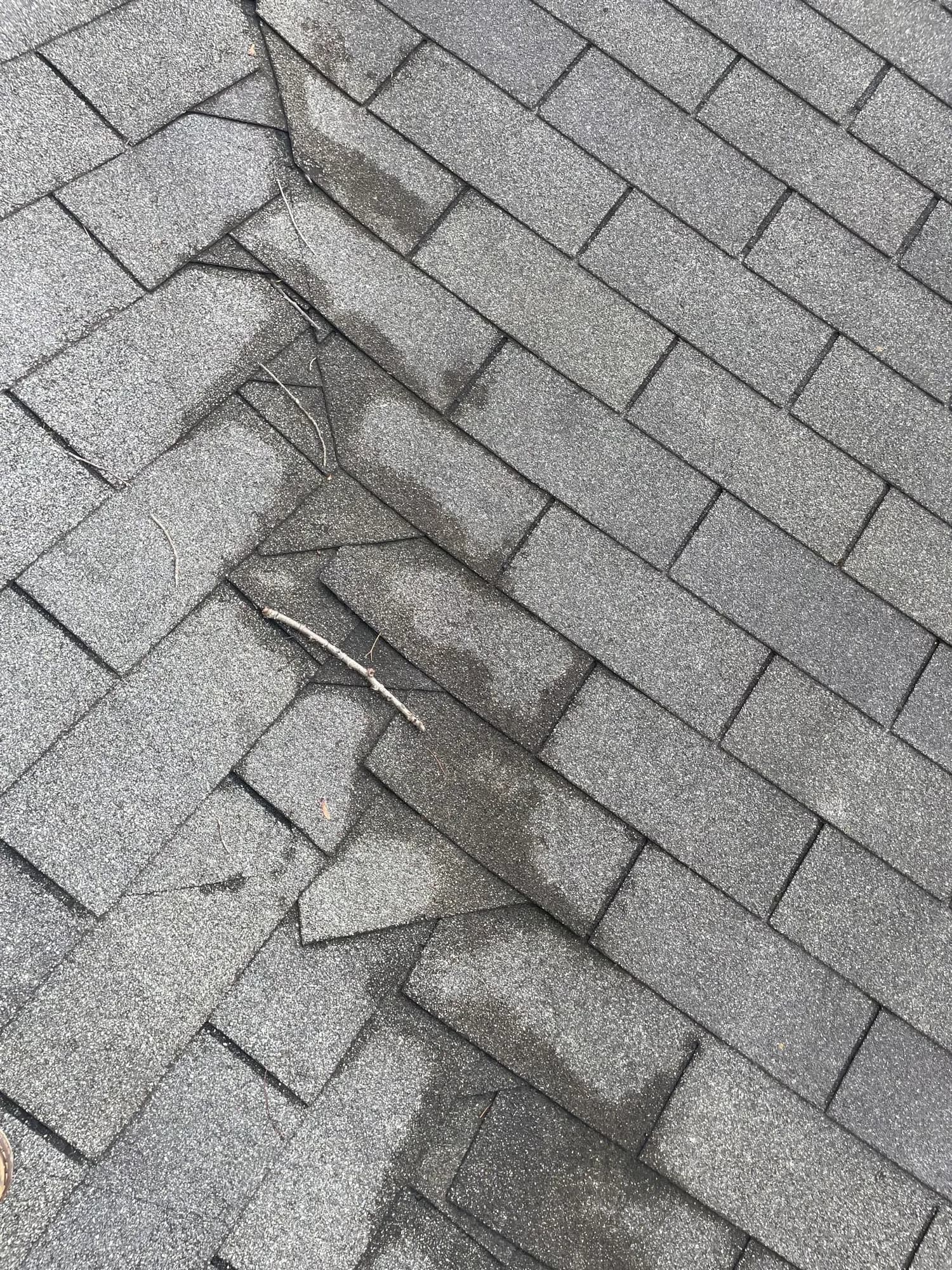
Emergency roof repair cost depends on the damage, roof size, materials, access, and timing, so you should treat the following estimates as general ranges rather than quotes:
- Emergency roof tarping or board-up: roughly $300 to $1,500
- Minor leak or shingle repair: roughly $300 to $1,500
- Moderate storm damage (decking, flashing, multiple sections): roughly $1,500 to $5,000
- Major structural or tree damage: $5,000 and up, sometimes leading to partial or full replacement
After-hours and holiday calls can carry a premium, and costs rise when decking or framing needs work. If your roof is too far gone, shingle replacement may make more sense than repeated patching, so ask for a free written estimate so you know what you're paying for.
In case you’re concerned about your budget, there may be emergency roof repair for low-income households and emergency roof repair for seniors available. These may be found through local assistance programs, area agencies on aging, community nonprofits such as Rebuilding Together, and county home-repair programs for older adults.
After a federally declared disaster, FEMA assistance may also apply, so check what your own jurisdiction offers, since eligibility rules may vary.
How to Prevent Future Roofing Emergencies
To prevent future roofing emergencies, you should adopt a few useful habits, most of which are way cheaper than a bill after an emergency call. These include:
- Schedule regular inspections. You need a professional roof inspection once or twice a year, plus after major storms, to catch cracked flashing, lifted shingles, and soft spots before they leak.
- Keep your gutters clear. Clogged gutters send water backward under the roof edge, rotting fascia and decking. Cleaning them in spring and fall takes little effort compared with the damage they can cause.
- Trim overhanging trees. Branches that scrape or hover over your roof become projectiles in a storm. Cut back limbs within a few feet of the roofline, and remove any dead or leaning trees entirely.
- Fix small problems quickly. A single missing shingle or a cracked boot around a vent pipe is a cheap repair today and an expensive one after a heavy rain. Our roof maintenance checklist lays out what to check and when.
- Watch your attic. Damp insulation, daylight peeking through the roof deck, or musty smells are early warnings you should act on.
- Replace an aging roof on schedule. Asphalt roofs wear out, and once yours is near the end of its service life, repairs only buy so much time.
Need Emergency Roof Repair in Alexandria, VA?
Don't let a leak turn into a bigger problem. Michael & Son Roofing has more than 50 years of experience in providing emergency roofing services and same-day roof repair. We respond quickly across Northern Virginia, Maryland, and Washington, DC. Call 703-596-3703 or request a free estimate today!
Final Thoughts
A roofing emergency is stressful, but the right sequence of steps keeps it manageable if you stay safe, limit the water, document the damage, and bring in a qualified emergency roofing contractor quickly.
Temporary protection buys you time, and a thoughtful permanent repair protects your home for years. Better yet, a little prevention now, like inspections, clean gutters, and trimmed trees, can spare you the midnight scramble entirely.
Frequently asked questions
Can a roof be repaired in a day?
How do I know if my roof repair is urgent?
What should I do if my roof starts leaking in the middle of the night?
Should I patch my roof until help arrives?
Does homeowners insurance cover emergency roof repairs?
Where can I get emergency roof repair service?
Last updated November 11, 2026